
• 10 min read
Popular Easy Listening Music Genres for Hospitality
Easy listening isn't a genre — it's an umbrella. Understanding the genres inside it helps hospitality spaces choose music that fits, not music that fills.
Read more
Expert guides on music for hospitality
Easy listening isn't a genre — it's an umbrella. Understanding the genres inside it helps hospitality spaces choose music that fits, not music that fills.

Auditory masking explains why intentional background sound increases perceived privacy. Bradley, Hongisto and Veitch research.

Milliman, Caldwell, and Hibbert quantified the impact of tempo on behavior. 38% higher sales, 40% more drinks — these are data points, not claims.

Musical Fit Theory explains why French music increases French wine sales by 330%. Research by North, Hargreaves and McKendrick.

Understanding why aesthetically perfect spaces create silent pressure. How coworking spaces unintentionally push people out—and why beauty isn't the same as comfort.
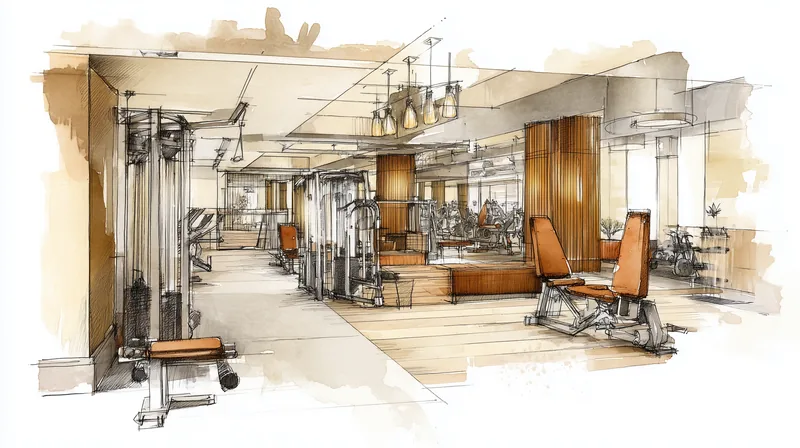
Understanding why motivation fades—and why blaming members doesn't solve the problem. How fitness spaces unintentionally drain the energy of those they're trying to motivate.
Why holiday music creates identity tension in restaurants. The familiarity problem, the fatigue curve, and what happens when atmosphere meets tradition.
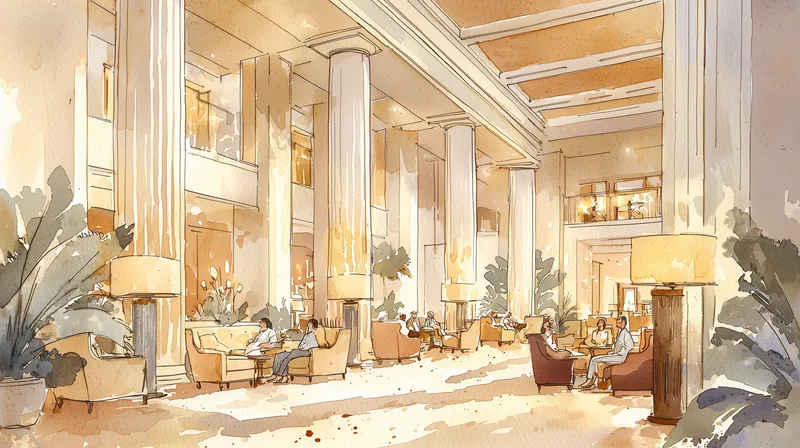
Why hotels with great infrastructure and design often lack a unified feel. The problem is atmosphere fragmentation. The solution is zone logic.
How to manage music in complex hotel properties without operational chaos. Zone logic, transitions, and consistency in practice.
What do you report to your PRO when you have multiple music zones? Clear separation of legal and operational logic — no confusion.
The Mehrabian-Russell model explains why space design directly affects guest emotions and decisions. Practical applications for hospitality.

Understanding why stores that 'play the hits' lose their identity. How sound becomes the intangible language of a brand—and why generic sound creates generic experience.